How to Make Money on Canva: The Smart Creator’s Playbook for 2025
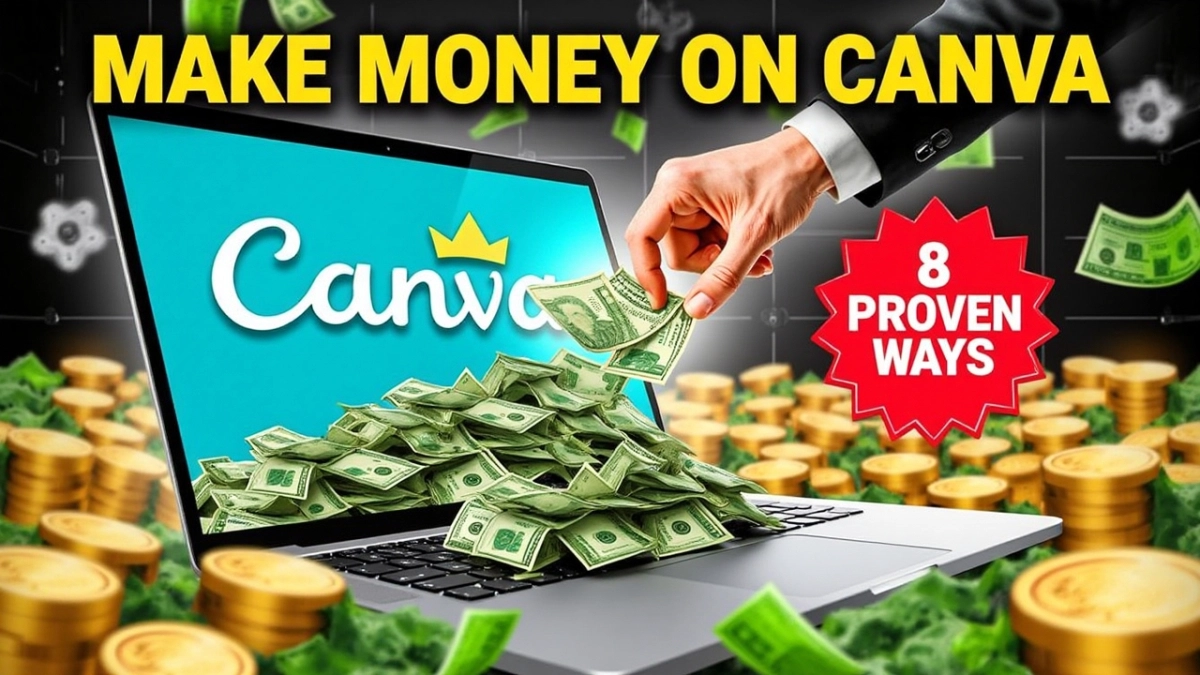
If you’ve ever lost yourself tinkering with Canva templates and wondered, “Could I actually get paid for this?”—the answer is a resounding yes. Canva isn’t just a design tool anymore; it’s evolved into a global creative marketplace. With over 170 million users (and counting), it’s become a launchpad for side hustles, full-time businesses, and digital creators who want to earn without being buried under complex software.
But here’s the thing—“making money on Canva” isn’t just about uploading pretty graphics. It’s about understanding demand, creating with strategy, and positioning yourself where clients and customers are already looking. Let’s break it down.
Why Canva Is a Goldmine in 2025
The reason Canva keeps showing up in “how to make money online” conversations is simple:
- Accessibility: Anyone can design, even without a graphic design degree.
- Demand Explosion: Businesses, influencers, coaches, and even therapists are outsourcing design because they want fast, branded visuals.
- Monetization Ecosystem: Canva itself offers direct ways to earn (like the Creator program), and there’s a booming secondary market for Canva-made products.
If you’re strategic, Canva can turn into a recurring income engine.
1. Sell Canva Templates Online
This is the most popular—and scalable—way to monetize Canva.
What sells well:
- Instagram/Facebook post templates for mental health coaches, nutritionists, and personal brands
- Resume templates
- Business pitch decks
- Printable planners (self-care, anxiety trackers, habit journals)
- E-book and workbook templates
Where to sell them:
- Etsy: Still the king for digital downloads. Canva templates dominate top-selling shops.
- Creative Market & Design Bundles: For designers targeting a professional audience.
- Your own website: Using Gumroad, Shopify, or WordPress.
Pro tip: Don’t just sell “generic templates.” Niches outperform. A “Therapist Instagram Template Kit” will outsell a vague “social media bundle.”
2. Join the Canva Creator Program
In 2025, Canva’s Creator Program pays designers royalties when their templates, photos, or graphics get used by other Canva users.
How it works:
- Apply to become a Creator.
- Upload your templates, graphics, or elements.
- Earn royalties when Canva users use them.
This is passive income at scale—if you upload a high-volume library. The top creators are banking thousands monthly because their designs get picked up across Canva’s massive user base.
3. Offer Canva-Based Design Services
Not everyone has the patience—or eye—for design. That’s where freelancers step in.
You can market yourself as a:
- Social Media Designer: Create branded post templates for coaches, therapists, or startups.
- Pitch Deck Specialist: Use Canva to build investor decks for entrepreneurs.
- Brand Kit Creator: Offer clients a full Canva kit—logos, brand colors, font pairings.
Where to find clients:
- Upwork & Fiverr: Simple starting point.
- LinkedIn & Twitter: Great for finding professionals (especially in mental health, coaching, and online education).
- Direct Outreach: Email small business owners and show them mockups.
Pricing insight: Many freelancers undercharge. A branded Canva kit easily commands $200–$800 depending on scope.
4. Create & Sell Digital Products for the Mental Health Niche
Here’s a massively underexploited opportunity: combining Canva design with mental health awareness.
Examples:
- Printable self-care planners
- Anxiety journals with guided prompts
- Therapy worksheets for practitioners
- Mindfulness quote packs for social media
Why this works:
- Mental health is a growing priority.
- Coaches and therapists constantly need engaging, accessible resources for their clients.
- Canva makes production and branding seamless.
5. Build & Sell Online Courses or Workshops (Using Canva)
If you’re already teaching—or want to—Canva can become your teaching tool and a source of passive income.
Ideas:
- “How to Make Social Media Templates in Canva” mini-course
- “Design for Non-Designers: Canva Basics” workshop
- Mental health professionals teaching others how to create branded therapy resources
Monetization:
- Host on Teachable, Thinkific, or Gumroad.
- Package the Canva templates as part of the course.
This strategy makes you money twice: once from the course sale, and again from the templates inside.
6. Print-on-Demand with Canva Designs
Another route is using Canva to design for merch.
Platforms:
- Printful
- Redbubble
- TeeSpring
What sells:
- Motivational quotes (especially around self-care)
- Minimalist posters
- Journals and planners
Again, if you focus on niches like wellness, therapy, or self-growth, you’ll stand out.
7. Grow on Social Media with Canva Content (Indirect Monetization)
Sometimes Canva isn’t the money-maker—it’s the magnet.
Creators are using Canva to build high-quality Instagram carousels, TikTok infographics, and LinkedIn posts. The content drives followers, and the followers bring in:
- Coaching clients
- Brand sponsorships
- Affiliate sales
If you’re in mental health, for example, your Canva-designed posts could build an audience that eventually buys your therapy worksheets or joins your coaching program.
8. Bundle Canva with Consulting or Coaching
For coaches, therapists, or consultants, Canva can become a value-add.
Examples:
- A business coach who delivers a custom Canva pitch deck along with strategy.
- A therapist who provides branded client worksheets.
- A nutrition coach who gives meal plan templates.
This adds tangible value to your service, letting you charge more—and differentiating you from competitors.
Practical Tips to Succeed (Beyond the Basics)
- Niche Down Relentlessly:
General Canva templates are everywhere. Find a specific lane (mental health coaches, financial advisors, wedding planners) and dominate it. - Think Evergreen:
Create templates that don’t expire in trend. Planners, resumes, and worksheets sell year after year. - Test Pricing:
A $5 template can make you more than a $50 template—if it sells 100x more often. - Optimize Listings with LSI Keywords:
Sprinkle related terms naturally: “therapy printables,” “Canva mental health templates,” “digital planner for anxiety.” - Focus on Presentation:
Mockups matter. A beautiful preview image on Etsy can double sales. - Systemize:
The people making serious money aren’t dabbling—they’re uploading hundreds of templates, not ten.
Hidden Opportunities (2025–2026)
- AI x Canva: Canva’s AI design tools are opening new ways to generate unique templates faster. Learning how to use them will give you a competitive edge.
- Corporate Wellness Programs: Companies are buying mental health resources in bulk—ready-made Canva workbooks could plug into that market.
- Localized Templates: Non-English designs (Spanish, Arabic, Hindi) are massively underserved and could dominate niche marketplaces.
Key Takeaways
- Canva isn’t just a design tool—it’s a monetization platform.
- The biggest wins come from templates, services, and digital products.
- The mental health niche offers untapped opportunities (self-care printables, therapy worksheets, mindfulness journals).
- Success comes from niching down, systemizing, and presenting your products well.