How Email Marketing Fuels Your Inbound Strategy Success
Understanding the Symbiosis: Email Marketing and Inbound Strategy
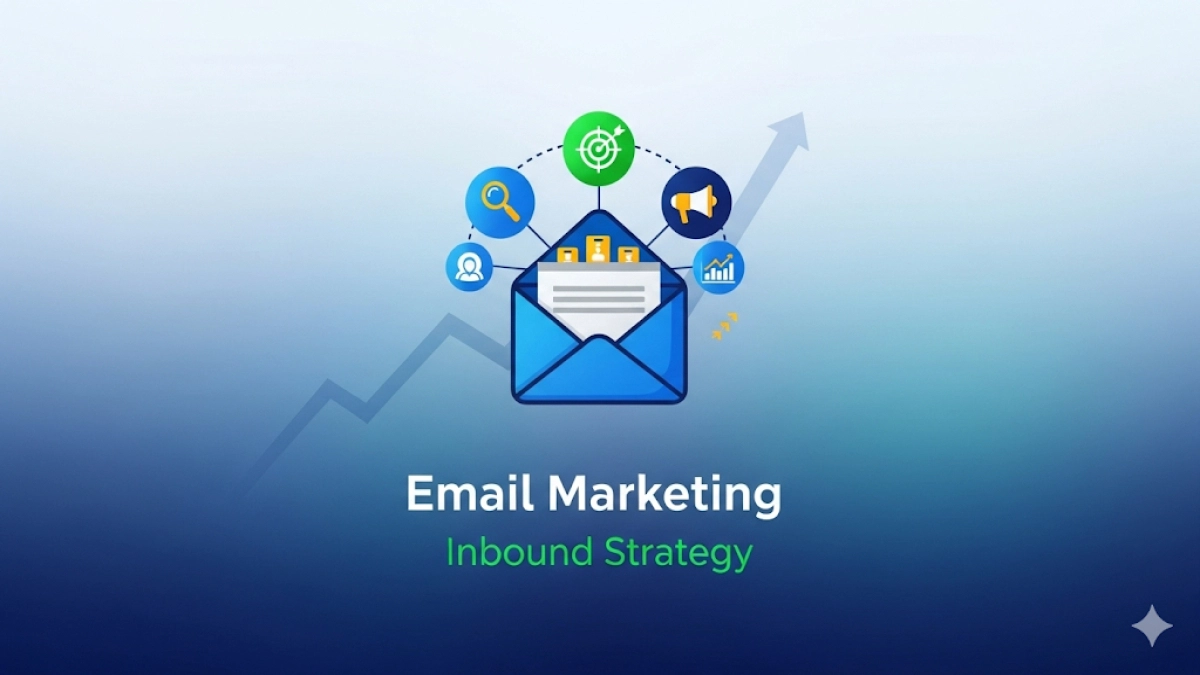
Inbound marketing is fundamentally about attracting, engaging, and delighting customers through valuable content and personalized experiences. Email marketing, often misunderstood as a standalone tactic, is in fact a powerhouse that can amplify every stage of the inbound funnel—from awareness to conversion and retention.
Why Email Marketing Remains Indispensable
Despite the rise of social media and emerging channels, email marketing continues to boast an average ROI of $42 for every $1 spent (Litmus, 2023). This staggering figure underscores its unmatched ability to nurture leads and build long-term relationships. But beyond raw numbers, email marketing’s true strength lies in its capacity to deliver personalized, timely, and relevant content directly to the user’s inbox—a space still considered private and trusted.
Latent user query addressed: How does email marketing integrate with other inbound tactics like content marketing and SEO?
The Pillars of Email Marketing That Enhance Inbound Success
To fully grasp how email marketing fuels your inbound strategy, it’s essential to dissect its core components and their strategic applications.
1. Segmentation and Personalization: The Heartbeat of Engagement
Generic mass emails are relics of the past. Today’s consumers expect hyper-personalized experiences. By leveraging segmentation—dividing your email list based on demographics, behavior, or engagement levels—you can tailor messages that resonate deeply.
- Example: Segmenting users by content consumption patterns allows marketers to send targeted blog updates or product recommendations, increasing click-through rates by up to 50% (Campaign Monitor, 2024).
2. Automated Workflows: Nurturing Leads at Scale
Automation transforms email marketing from a manual task into a dynamic, scalable system. Triggered emails—welcome series, cart abandonment reminders, re-engagement campaigns—keep prospects moving through the inbound funnel without constant manual intervention.
- Data insight: Automated emails generate 320% more revenue than non-automated campaigns (Epsilon, 2023).
Section ripe for augmentation: Incorporate proprietary data or case studies demonstrating your brand’s success with automation.
3. Content Synergy: Aligning Email with SEO and Social Media
Email marketing doesn’t operate in isolation. It acts as a conduit, driving traffic to SEO-optimized blog posts, gated content, and social media channels. This synergy enhances overall inbound performance by reinforcing brand messaging across multiple touchpoints.
Crafting Emails That Build Trust and Authority
In 2025, search engines will increasingly reward content that demonstrates genuine expertise and trustworthiness. Email marketing offers a unique platform to showcase these qualities through:
- Educational content: Sharing expert insights, how-to guides, and industry trends positions your brand as a thought leader.
- User -generated content: Featuring testimonials and case studies builds social proof and credibility.
- Transparent communication: Regular updates about company values, privacy policies, and data security foster trust.
Practical takeaway: Develop an editorial calendar for your email campaigns that balances promotional content with educational and trust-building messages.
Measuring Success: KPIs That Matter for Email-Driven Inbound Growth
To optimize how email marketing fuels your inbound strategy, tracking the right metrics is crucial. Focus on:
- Engagement rates: Open rates, click-through rates, and time spent on linked content.
- Conversion metrics: Lead-to-customer conversion rates influenced by email touchpoints.
- List health: Growth rate, unsubscribe rate, and spam complaints.
Expert citation suggestion: Reference recent studies from HubSpot or Mailchimp on email marketing benchmarks.
Overcoming Common Challenges in Email-Driven Inbound Marketing
Even seasoned marketers face hurdles such as deliverability issues, content fatigue, and privacy regulations. Address these proactively by:
- Maintaining list hygiene and using double opt-in methods.
- Rotating content formats—videos, infographics, interactive elements—to keep engagement fresh.
- Staying compliant with GDPR, CCPA, and emerging data privacy laws.
Future-Proofing Your Strategy: Trends to Watch in 2025-2026
Looking ahead, several trends will shape how email marketing integrates with inbound strategies:
- AI-powered personalization: Beyond basic segmentation, AI will enable hyper-contextual content delivery.
- Interactive emails: Embedding polls, quizzes, and shoppable elements to boost engagement.
- Omnichannel orchestration: Seamless integration of email with SMS, push notifications, and chatbots for a unified customer experience.
Actionable Takeaways to Harness Email Marketing for Inbound Mastery
- Invest in data-driven segmentation to deliver highly relevant content.
- Leverage automation to nurture leads efficiently and at scale.
- Align email content with SEO and social media efforts for cohesive messaging.
- Prioritize trust-building through transparency and educational content.
- Continuously monitor KPIs and adapt based on insights.
- Stay ahead of privacy regulations and technological innovations.
Conclusion: Email Marketing as the Inbound Strategy’s Secret Weapon
In the quest for inbound marketing excellence, email marketing stands out as a versatile, high-ROI channel that fuels every stage of the customer journey. By embracing a sophisticated, data-informed approach that prioritizes personalization, automation, and trust, marketers can unlock unprecedented growth and brand loyalty. As search engines evolve to reward authentic, expert-driven content, integrating email marketing thoughtfully into your inbound strategy will not only enhance your digital presence but also cement your authority in a crowded marketplace.