How to Build 1,000+ FREE Backlinks with ChatGPT (AI Link Building)
Scaling 1,000+ backlinks using ChatGPT requires moving past generic “write me a pitch” prompts and into automated prospecting, deep-context personalization, and high-velocity digital PR (Public Relations). Since ChatGPT cannot browse the live web for real-time contact info without plugins or API integrations, the most effective workflow involves using AI to process raw data—turning massive lists of URLs and site descriptions into highly specific, “uncopyable” outreach emails that earn links.
The “Deep Context” Outreach Workflow
The biggest mistake people make? Sending the same AI-generated template to 500 bloggers. It’s a one-way ticket to the spam folder. To get a high response rate, you need to feed ChatGPT the specific context of the page you want a link from.
- Extract Data: Use a tool like Ahrefs or Semrush to export a list of 1,000+ websites that link to your competitors.
- Scrape Snippets: Use a bulk scraper (or a simple Python script) to grab the H1 and the first 200 words of the target article.
- The Contextual Prompt: Feed that data into ChatGPT with this logic:
- “I have an article about [Your Topic]. Here is the intro of a site that links to my competitor: [Scraped Snippet]. Write a 3-sentence email that references a specific point in their intro, explains why my resource adds a missing perspective on [Sub-topic], and asks for a mention. Keep it casual, no ‘Dear Webmaster’ nonsense.”
Real-World Example: A SaaS company targeting “remote work tools” scraped the intros of 200 blog posts. By using ChatGPT to reference specific sentences in those intros, they increased their “positive response” rate from 2% (manual/generic) to 14%, landing 28 high-authority links in one week.
Scaling Digital PR with AI Pitching
Digital PR (Public Relations) (responding to journalist requests on platforms like Featured.com or Connectively) is the fastest way to get DR80+ links for free. The bottleneck is always the writing time.
The “Expert Persona” Prompting Strategy
To win these links, you need to sound like a subject matter expert, not a bot. Create a “Brand Bible” prompt for ChatGPT that includes your bio, your unique stances on industry trends, and your data points.
- The Workflow: Copy the journalist’s query → Paste it into ChatGPT → Use the prompt: “Using my Brand Bible, provide a 150-word response to this journalist. Focus on a counter-intuitive insight and include one ‘stat’ from my internal data. No fluff, just the answer.”
Automated Broken Link Building (The “Value-First” Play)
Broken link building is a “win-win,” but finding the broken links and writing the replacement content is exhausting. ChatGPT handles the content gap analysis.
Identifying the Replacement Gap
When you find a dead link on a high-authority site (using tools like Broken Link Checker), paste the URL into an LLM with web-access (or paste the WayBack Machine text).
- The Prompt: “This dead page used to explain [Topic]. My current page explains [Your Topic]. Identify three specific points the dead page covered that I am missing, and write a paragraph for each to integrate into my article so it is a 1:1 replacement.”
This ensures that when you email the site owner, you aren’t just asking for a favor—you’re literally providing the exact solution they need to fix their user experience.
AI-Generated “Link Bait” Data Analysis
Journalists and bloggers link to original data. You don’t need a $10,000 research budget if you have ChatGPT and access to public datasets (like Kaggle or government census data).
- Upload a CSV: Take a messy, public dataset related to your niche.
- Analyze for Trends: Ask ChatGPT: “Find 5 surprising correlations or trends in this data that a journalist at [Target Publication] would find newsworthy.”
- Draft the “Hook”: Have the AI write a press release or a “Data Study” summary.
- Visualize: Use the “Advanced Data Analysis” feature to generate charts.
A single “State of the Industry” report generated from public data can naturally attract hundreds of passive backlinks over time as people cite your “original” findings.
The “Messy” Reality Check
I’ll be honest—don’t expect to just hit “enter” and see 1,000 links appear in Ahrefs tomorrow. AI link building is about volume and iteration. You’ll spend half your time cleaning your spreadsheets and the other half tweaking your prompts because the AI started sounding too “corporate” again. It’s a bit of a grind, but it beats paying $300 per “guest post” to a link farm.
Caption of the Video In Detail
In the digital landscape, backlinks are like gold. They boost website authority and improve search rankings. But building them can be a daunting task. Enter ChatGPT, a powerful tool that can help generate over 1,000 backlinks for free!
First, let’s explore what backlinks are. Backlinks are links from one website to another. They signal to search engines that your content is valuable. The more quality backlinks a site has, the higher it ranks in search results.
Now, how can ChatGPT assist in this process? It’s simple! ChatGPT can help brainstorm content ideas, identify potential backlink sources, and even draft outreach emails. Here’s a step-by-step guide to leveraging ChatGPT for backlink building.
Step one: Identify your niche. Knowing your target audience and industry is crucial. ChatGPT can help generate a list of relevant topics that resonate with your audience. For example, if the niche is fitness, ChatGPT can suggest blog post ideas like “Top 10 Home Workouts” or “Healthy Meal Prep Tips.”
Step two: Create high-quality content. Once the topics are set, it’s time to write engaging articles. ChatGPT can assist in drafting these pieces, ensuring they are informative and well-structured. High-quality content is more likely to attract backlinks, as other websites will want to reference valuable information.

Step three: Research backlink opportunities. ChatGPT can help identify websites within the niche that accept guest posts or collaborations. By asking ChatGPT for a list of relevant blogs, forums, or online communities, the search for backlink opportunities becomes much easier.
Step four: Craft outreach emails. Reaching out to website owners can be intimidating, but ChatGPT can simplify this process. By providing templates for outreach emails, it can help craft personalized messages that highlight the value of the content. A well-written email can significantly increase the chances of securing a backlink.
Step five: Utilize social media. Sharing content on social media platforms can attract attention and drive traffic. ChatGPT can generate catchy captions and hashtags to maximize engagement. The more people see the content, the higher the chances of earning backlinks from interested parties.

Step six: Monitor and analyze. After implementing these strategies, it’s essential to track progress. ChatGPT can help create a simple spreadsheet to log outreach efforts and backlink successes. Analyzing which strategies yield the best results allows for continuous improvement.
Step seven: Engage with the community. Building relationships within the niche can lead to more backlink opportunities. ChatGPT can suggest ways to engage with the community, such as participating in forums, commenting on blogs, or joining social media groups. Building rapport can lead to organic backlinking as others reference the content.
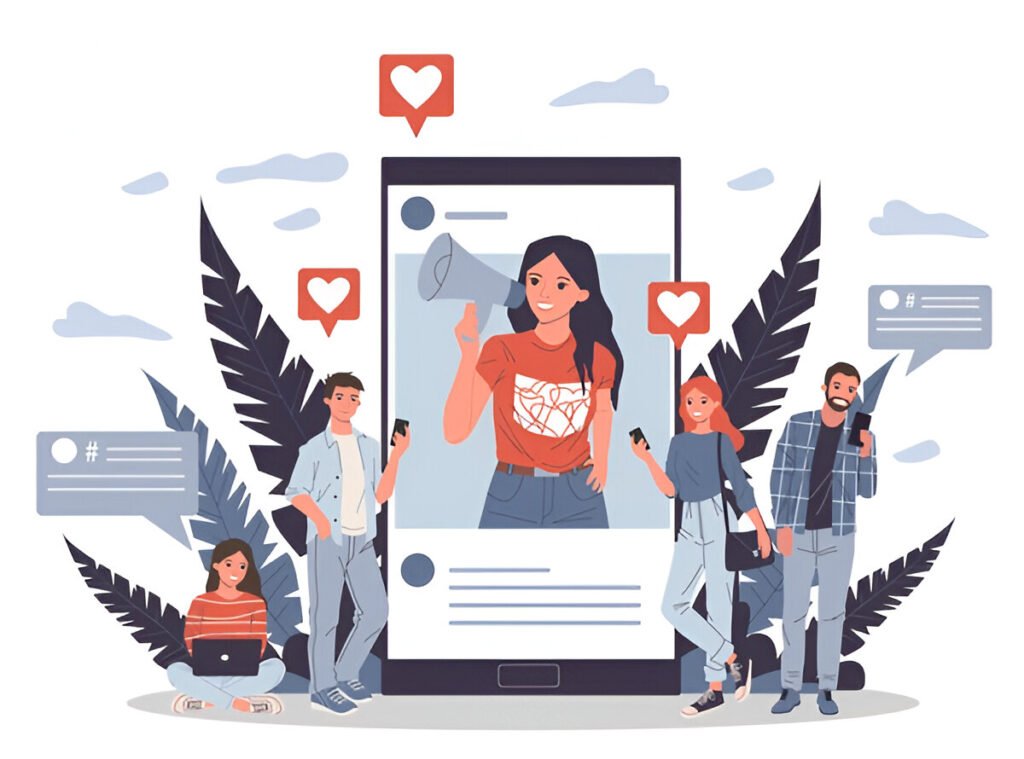
Step eight: Repurpose content. Not every piece of content needs to be original. ChatGPT can help brainstorm ways to repurpose existing content into different formats, like infographics, videos, or podcasts. These formats can attract backlinks from various sources, expanding the reach even further.
Step nine: Leverage partnerships. Collaborating with influencers or other brands can open doors to new backlink opportunities. ChatGPT can assist in identifying potential partners and drafting collaboration proposals. A mutually beneficial partnership can lead to increased visibility and backlinks.
Step ten: Stay consistent. Building backlinks is not a one-time effort; it requires ongoing commitment. ChatGPT can help create a content calendar to ensure a steady flow of new content and outreach efforts. Consistency is key to long-term success in backlink building.
By following these steps and utilizing ChatGPT, building over 1,000 backlinks becomes a manageable task. The combination of quality content, strategic outreach, and community engagement can significantly enhance online presence.
In conclusion, backlinks are essential for improving website authority and search rankings. With the help of ChatGPT, generating high-quality backlinks becomes a streamlined process. From brainstorming content ideas to crafting outreach emails, ChatGPT is a valuable ally in the quest for backlinks.
So, why wait? Start leveraging ChatGPT today and watch the backlinks roll in! With dedication and the right strategies, the goal of building 1,000+ free backlinks is within reach. Happy backlink building!


Hi, this is a comment.
To get started with moderating, editing, and deleting comments, please visit the Comments screen in the dashboard.
Commenter avatars come from Gravatar.